Why the Blue Jays Choke (And Why We Keep Believing)
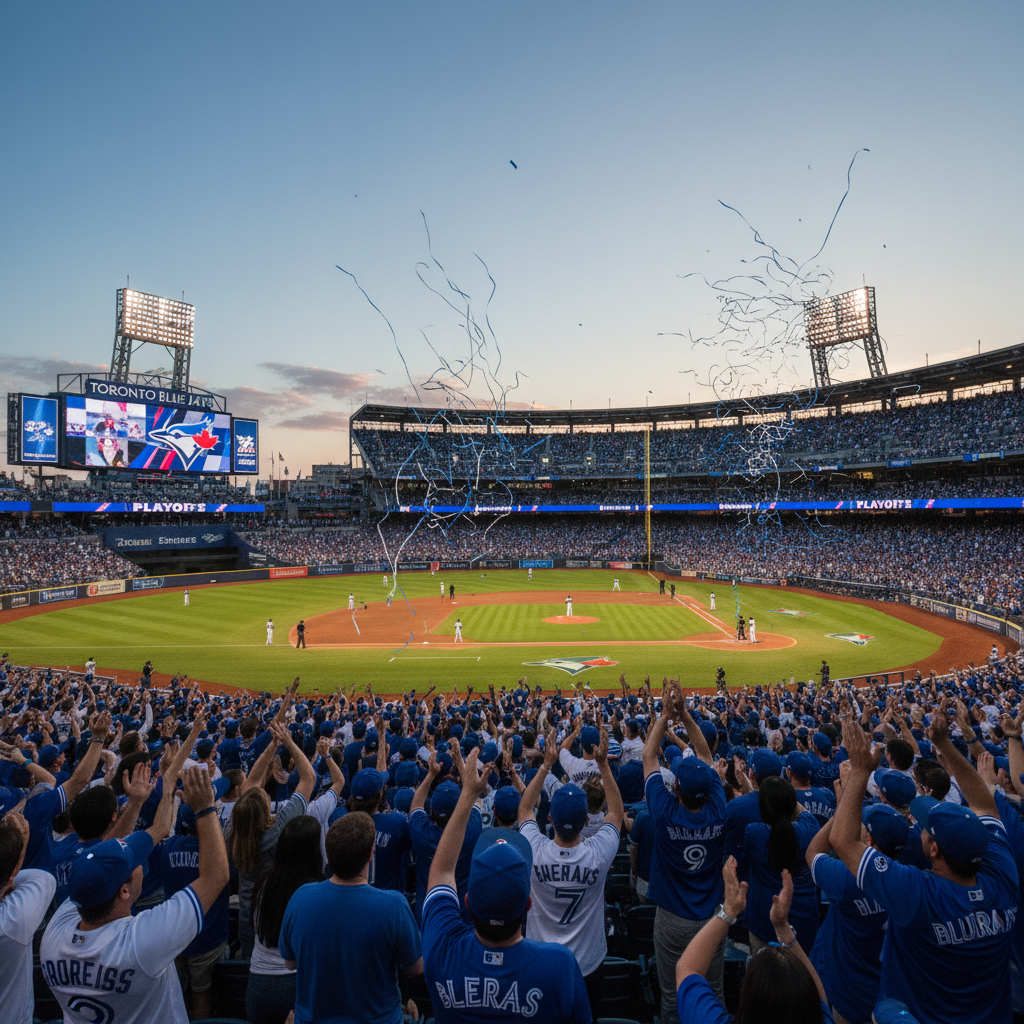
It's October again, and if you're reading this, you probably know how this story ends.
The Blue Jays have talent. The Blue Jays have expectations. The Blue Jays have a passionate fanbase that fills Rogers Centre and believes, truly believes, that this could be the year.
And then something goes wrong.
Welcome to the eternal condition of being a Blue Jays fan: perpetual October heartbreak.
The History
Let's establish what we're dealing with here. The Toronto Blue Jays have won exactly two World Series, both in the early 1990s. Since then:
- 1994-2014: Zero playoff appearances. Twenty-two years of October golf.
- 2015: Lost ALCS to Kansas City in six games.
- 2016: Lost ALCS to Cleveland in five games.
- 2020: Lost Wild Card Series to Tampa Bay.
- 2022: Lost Wild Card Series to Seattle.
- And so on...
Since the back-to-back championships, the Blue Jays have won exactly one playoff series. The 2015 ALDS against Texas, with Bautista's bat flip. That's it. One series win in over 30 years.
Is It Choking?
First, let's define our terms. "Choking" implies performing worse than expected under pressure. It suggests that the same team would perform better in lower-stakes situations.
Is that what happens to the Blue Jays? Sometimes, maybe. The 2016 ALCS saw the offense go cold at the worst time. The 2022 Wild Card included brutal baserunning and questionable decisions.
But here's the uncomfortable truth: sometimes the other team is just better. The 2015 Royals were an exceptional playoff team. The 2016 Indians had elite pitching. Tampa Bay and Seattle were tough matchups.
"Choking" is an easy narrative. It lets us believe our team is actually good and just failed to execute. The alternative—that maybe we weren't as good as we thought—is harder to accept.
The Pattern
Still, patterns exist. And the Blue Jays' October patterns are concerning:
Pitching Struggles
Playoff baseball is pitching-driven, and the Jays have consistently lacked the dominant arms that win in October. Halladay never pitched a playoff game for Toronto. The 2015-16 rotations were good but not great. More recent rosters have featured inconsistent starters.
Offensive Disappearances
The Blue Jays' powerful lineups have a habit of going quiet when it matters most. Small sample sizes? Bad luck? Or something about the pressure that causes hitters to deviate from their approaches?
Bullpen Collapses
October exposes bullpen weaknesses ruthlessly. Teams can hide mediocre relievers in a 162-game season. In a five-game series, there's nowhere to hide.
The Psychology
There's a mental component too. Toronto hasn't won in so long that the weight of history might affect the players. The city's desperation is palpable. Media pressure is intense. Every October game feels like a referendum on the franchise.
Compare that to teams like the Dodgers or Yankees, where October is expected. Their players have experience, organizational swagger, and the belief that they belong. The Blue Jays are still trying to convince themselves.
Why We Keep Believing
Despite all evidence, Blue Jays fans return every spring with hope renewed. Why?
Memory of Glory
We remember 1992-93. The champions existed. It wasn't a dream. If it happened once, it can happen again. That memory, fading but real, sustains belief.
The Players
Vladimir Guerrero Jr.'s swing. Bo Bichette's intensity. Whatever young star emerges next. We fall in love with individuals even when the team disappoints.
Belonging
Being a Blue Jays fan isn't optional for many of us. It's inherited, like eye color or temperament. We believe because we have to. The alternative—not caring—is worse than disappointment.
The Promise of What Could Be
Every season starts 0-0. Every roster looks better in March than in September. Hope is renewable, even when evidence suggests otherwise.
The Counter-Argument
Maybe "choke" is the wrong word entirely. Baseball playoffs are random. Small sample sizes create weird outcomes. The best team doesn't always win—that's what makes October exciting.
The 2023 Rangers won the World Series after barely making the playoffs. The 2021 Braves were below .500 on August 1st. Anything can happen in October, which means the Blue Jays' failures might be variance rather than character flaw.
But that logic cuts both ways. If anything can happen, why hasn't it happened for Toronto? Why do other teams ride hot streaks while the Jays find new ways to lose?
Looking Ahead
The Blue Jays will enter next season with expectations again. The core is talented. The fanbase is hungry. October will beckon, and we'll convince ourselves that this time will be different.
Maybe it will be. Maybe the randomness finally breaks Toronto's way. Maybe a clutch performance or lucky bounce delivers what decades of roster-building couldn't.
Or maybe we'll be back here again, asking the same questions. Choking, variance, bad luck, organizational failure—pick your explanation. The result is the same: another October that ends too soon.
And yet, next spring, we'll believe again. Because that's what being a fan means. You believe despite the evidence. You hope despite the history. You buy tickets for October games that might break your heart.
The Blue Jays might choke. They might get unlucky. They might just not be good enough.
But they're our team. And we'll be watching.
Frequently Asked Questions
The Toronto Blue Jays last won the World Series in 1993, defeating the Philadelphia Phillies. It was their second consecutive championship, following the 1992 title against Atlanta.
The Blue Jays went 22 years between playoff appearances, from 1993 to 2015. It remains one of the longest playoff droughts in MLB history for a team in a major market.
The Blue Jays lost to the Kansas City Royals in six games. After the emotional ALDS win over Texas (Bautista's bat flip), Toronto couldn't sustain the momentum against a Royals team that went on to win the World Series.
Various factors are blamed: inconsistent pitching, lineup slumps, bullpen weakness, and the pressure of a long-suffering fanbase. Some attribute it to bad luck in small sample sizes. Others see organizational patterns that need addressing.
The Blue Jays lost to Seattle in a two-game Wild Card Series. The series included controversial calls, baserunning mistakes, and a lineup that failed to produce when it mattered most.
It's debatable. The pattern of October disappointment is real, but baseball playoffs involve small samples where anything can happen. Whether it's "choking" or variance depends on your interpretation of the evidence.
The Blue Jays have won exactly one playoff series since their 1993 championship: the 2015 ALDS against Texas. All other October appearances have ended in series losses.
Memory of past glory, love for current players, and the inherited nature of fandom. Being a Blue Jays fan isn't a choice for many—it's identity. Hope persists even when evidence argues against it.