Travis Snider: The Prospect Who Carried Our Hopes
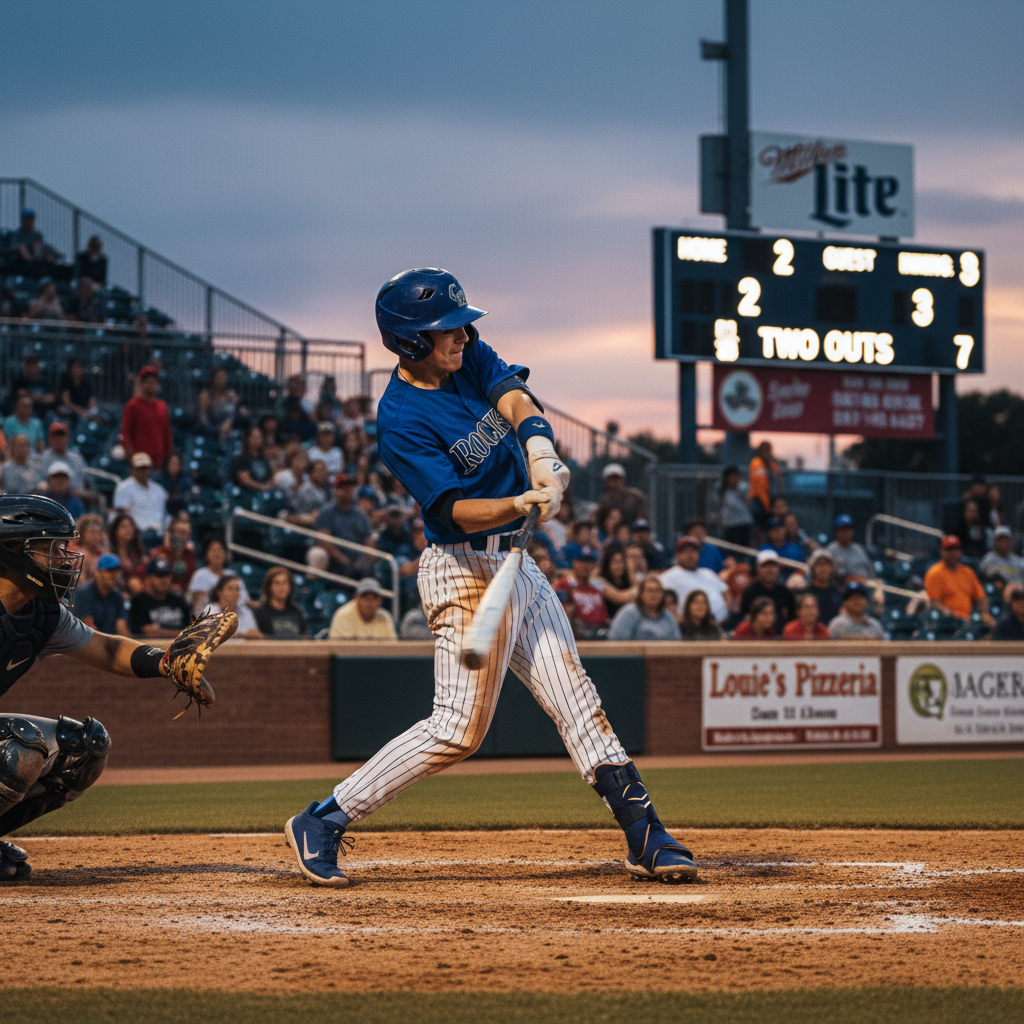
In 2008, Travis Snider was going to save the Toronto Blue Jays.
The left-handed slugger from Washington State had torn through the minor leagues. Baseball America ranked him among the game's best prospects. Scouts raved about his power, his swing, his ceiling. Here, finally, was the homegrown star Toronto had been waiting for.
He debuted at 20 years old. He hit a home run in his second game. The future had arrived.
Except it hadn't.
The Prospect
Travis Snider was drafted 14th overall in 2006, and he immediately looked like a steal. In his first full minor league season, he hit .313 with 16 home runs at age 19. The power was legitimate. The approach was mature. The scouts were convinced.
Baseball America ranked him the 13th best prospect in baseball heading into 2008. For a franchise starving for homegrown talent, Snider represented hope. The Jays hadn't developed a position player star since... when? Carlos Delgado? Shawn Green? It had been a while.
When he got called up in August 2008, the excitement was palpable. Finally, something to believe in.
The Debut
Snider's debut went well. He hit .301/.338/.466 in 24 games. The power flashed. The swing looked gorgeous. At 20 years old, playing in the majors, he looked like everything the scouts had promised.
Spring training 2009 confirmed the hype. Snider made the Opening Day roster. The Blue Jays, mired in mediocrity, at least had their future in the lineup.
Then the problems started.
The Struggles
Major league pitching found Travis Snider's weaknesses. Breaking balls away. Velocity up and in. The holes in his swing that hadn't mattered against Double-A arms suddenly mattered a lot.
He hit .235 in 2009. The power was still there—26 doubles, 9 home runs—but the strikeouts piled up and the average cratered. The Blue Jays sent him back to Triple-A, then recalled him, then sent him down again. The yo-yo had begun.
2010 was worse. A .225 average. More time in the minors. The swing that had looked so pure started looking mechanical, overthought. Snider was pressing, and everyone could see it.
The Psychology of Prospects
What happens when a prospect struggles? The pressure compounds. Every at-bat carries the weight of expectations. Every strikeout confirms the doubters. The swing you've had since childhood suddenly feels foreign.
Snider faced this spiral. The Blue Jays kept tinkering with his swing, his approach, his positioning. He tried to pull more. He tried to spray more. He tried to be patient. He tried to be aggressive. Nothing stuck.
Meanwhile, the team around him wasn't good enough to take the pressure off. The 2009-2011 Blue Jays finished between 75-85 wins each year. There was no playoff race to distract from individual struggles. Every game felt like an evaluation, not a competition.
The Trade
By 2012, the writing was on the wall. Travis Snider, once the franchise's brightest hope, was a 24-year-old who couldn't crack the starting lineup. The Blue Jays traded him to Pittsburgh for Brad Lincoln.
It was a nothing trade. A disappointing prospect for a middling reliever. Both teams were cutting their losses.
In Pittsburgh, Snider had moments. He hit 13 home runs in 2014. He looked like a useful bench bat. But he was never what Toronto had hoped he would be—a star, a franchise cornerstone, a reason to watch.
What Went Wrong?
Plenty of theories exist:
- Called up too early: Maybe 20 was too young. Maybe more seasoning would have helped.
- Swing changes: Toronto's coaching staff kept adjusting his mechanics. Maybe stability would have been better.
- Pressure: The weight of expectation on a 20-year-old in a starving market. Not everyone can handle it.
- Just not good enough: Sometimes prospects don't pan out. Not everyone's ceiling is their reality.
The truth is probably all of it. Baseball is hard. The jump from prospect to star is harder than it looks. For every Vladimir Guerrero Jr. who fulfills the hype, there's a Travis Snider who doesn't.
The Legacy
Travis Snider played in the majors until 2016. He finished with a .238 career average and 46 home runs across parts of eight seasons. Not a bust, exactly, but not a star. A guy who had a career, just not the career everyone expected.
For Blue Jays fans of a certain age, Snider represents something specific: the desperation of the late-2000s, when prospects were all we had. We projected our hopes onto a 20-year-old because there was nothing else to project them onto.
That's not his fault. He didn't ask to be the savior. He was just a kid who was good at baseball, thrust into a situation that required him to be great. He wasn't great. Most people aren't.
Lessons for Today
The Blue Jays now have real stars. Vladimir Guerrero Jr. and Bo Bichette are everything Snider was supposed to be and more. The franchise doesn't need to pin its hopes on one prospect anymore.
But the Snider experience should temper expectations. Not every prospect makes it. The ones who do are special, not inevitable. When Guerrero Jr. hit 48 home runs in 2021, it wasn't because he was supposed to—it was because he was genuinely great.
Travis Snider was supposed to be great. He ended up being a cautionary tale instead. That's baseball. That's sports. Hope doesn't guarantee outcomes.
We remember Snider not to mock him, but to remember what those years felt like. The waiting. The hoping. The gradual realization that maybe this wasn't going to work out.
At least we don't have to do that anymore.
Frequently Asked Questions
Travis Snider struggled to adjust to major league pitching after a promising debut. He was traded to Pittsburgh in 2012 and had a journeyman career, playing for five teams through 2016. He never became the star Toronto expected.
Travis Snider was drafted 14th overall by the Toronto Blue Jays in the 2006 MLB Draft out of Jackson High School in Washington State.
Baseball America ranked Travis Snider as the 13th best prospect in baseball heading into 2008. He was considered one of the best hitting prospects in the game at the time.
In February 2012, the Blue Jays traded Travis Snider to the Pittsburgh Pirates for relief pitcher Brad Lincoln. It was a modest return for a former top prospect.
Snider's best season was arguably 2014 with Pittsburgh, when he hit 13 home runs in 307 at-bats. He showed flashes of power throughout his career but never put together a complete season as a starter.
Snider represents the hope of the late-2000s Blue Jays era. During years of mediocrity, he was the homegrown prospect who was supposed to turn things around. His failure to develop serves as a cautionary tale about prospect hype.
Both were highly-touted Blue Jays prospects, but their careers diverged dramatically. Guerrero Jr. fulfilled his potential, becoming an MVP candidate. Snider struggled and was traded away. The comparison shows how unpredictable prospect development can be.
Travis Snider's last MLB season was 2016 with the Texas Rangers. He has since retired from professional baseball. His career spanned parts of eight major league seasons across five teams.